


Jealousy: The Cannabis Strain That Sets the Standard in 2025!
Welcome to a new chapter of Annibale Seedshop’s blog, dedicated to the genetics that are truly defining the new school, like Jealousy!
Today, it’s the turn of the award-winning cannabis strain Jealousy: a strain that isn’t just “trendy,” but has become a central focus of modern cannabis cultivation and breeding.
If you’ve ever loved Cereal Milk, Permanent Marker, Lemon Cherry Gelato, RS11, or the entire dessert strains family, know that… Jealousy is one of the roots of the conversation.
It’s the classic strain that does two things at once—and let’s be clear, it does both divinely:
the bag appeal of a top-shelf connoisseur and a magical, complex, balanced effect that doesn’t knock you out immediately, but takes you by the hand and accompanies you along the journey!
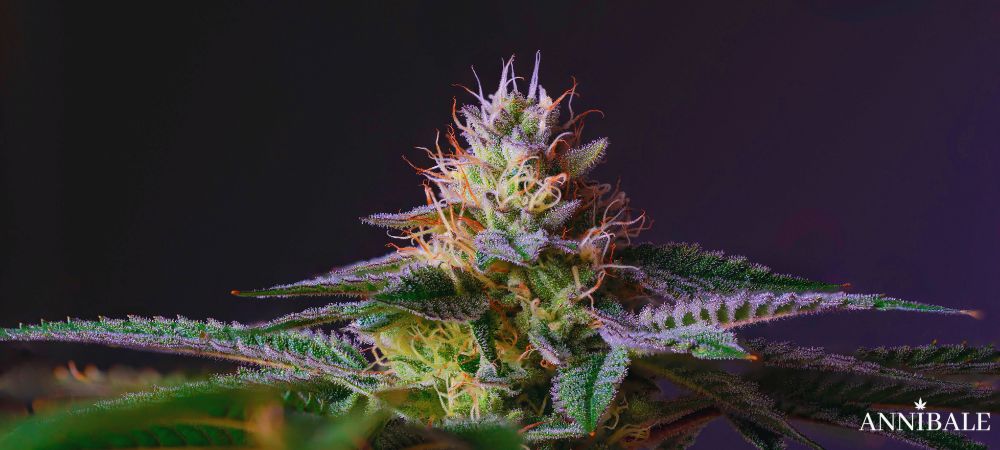
Jealousy Strain: History, Genetics, and the Allure of a Modern Legend
Jealousy was born in the heart of California’s premium marijuana cultivation scene, where the goal is not just to push THC, but to create strains that are both recognizable to the nose and pleasing to the eye.
Jealousy is commonly attributed to Seed Junky Genetics and, over time, has built such a solid reputation that it’s often cited as one of the most influential strains of recent years, like Wedding Cake.
An interesting fact: Jealousy has entered the common parlance of growers thanks in part to the circulation of the “original” clone (the one everyone seeks as if it were a relic). Just take a look at the ICMag threads, where it’s explicitly referred to as Gelato #41 × Sherb Bx1 when discussing a “real clone.”
Genetic Origins: Sherb Bx1 × Gelato #41
The most common and consistent parental genetic line among online sources is Sherb Bx1 × Gelato #41, and it’s a cross that, even on paper, sounds like “OK, this one has to be the bomb!”.
Sherb Bx1: Creamy Sherbet with a Funky Side
The Sherb Bx1 cannabis strain (often related to the Sunset Sherbet/Sherbert OG family, depending on how it’s described) offers:
- a creamy, memorable flavor
- a fruity, candy-store sweetness
- funky/floral undertones, with a lingering earthy, sugary aftertaste
Gelato #41: Modern Power and Dessert Gas
On the other hand, the Gelato #41 strain adds to the genetic mix:
- a more distinct “dessert” flavor
- a modern bud structure, with density and a puffy, squat Dutch coffeeshop look
- a stronger boost in potency and aromatic nuance
The result is a modern hybrid marijuana strain that aims to be delicious, beautiful, and balanced all at once.
Producers and Distribution: Why Different “Jealousy” Varieties Exist
When a cannabis strain becomes iconic worldwide, the same thing always happens:
- The clone is circulated in restricted environments (the “right” one),
- Seed versions begin to appear (produced by the original seedbank),
- Seedbank interpretations arrive with different numbers and descriptions.
This explains why you’ll find Jealousy on the market sometimes described as 50/50, sometimes as slightly indica-dominant, and with widely varying declared THC levels. Some international breeders and European seedbanks publish very high grow reports, but the reality is that potency depends on selection, phenotype, and growing conditions.
Jealousy’s morphology and structure: show-stopping buds and real resin
Jealousy has also become famous for its frequent appearance:
- dense, compact, and fragrant buds
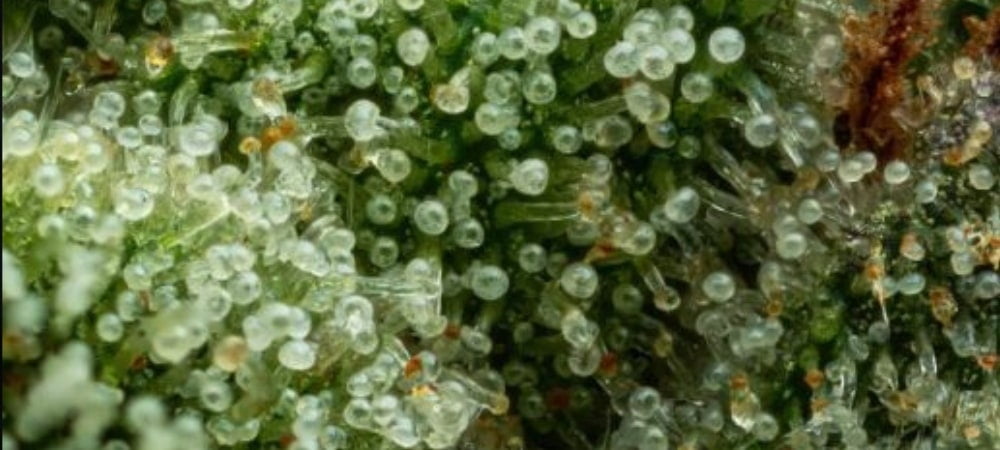
- abundant trichomes (obvious, bright resin coating)
- light green colors that can veer toward purple and hues in certain phenotypes or climates
- bright orange pistils at the end of flowering
- clean, premium look and bag appeal
Jealousy is one of those ganja plants that, when you see a well-made photo, you immediately understand why it ended up on the menus of Amsterdam’s best coffee shops in 2026.
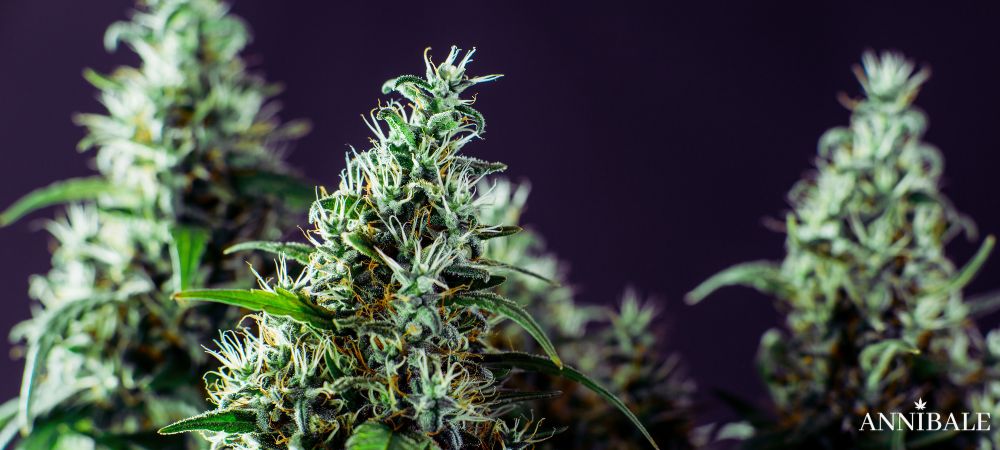
Growing Jealousy: A Modern Genetic That Rewards Care
Jealousy is often described as a strain that performs best when the environment is stable and the plant isn’t “randomly stressed” without any specific technique or reason.
Some grow journals and discussions describe it as having vigorous growth, abundant branching, and a tendency to develop dense buds: excellent news for the quality of the final product, but requiring careful management of the indoor microclimate during flowering.
On THC Farmer, for example, you can find grow journals describing Jealousy as a plant that “grows at a run” and can become tall if not managed properly and in the right spaces, with practical references to controlling its structure in a grow tent (techniques such as pruning and LST).
In general, the profile is this:
- Hybrid structure with good branching
- Ultra-heavy and very resinous buds
- Intense aroma (so it’s often a balsamic plant, and therefore “you can taste it”)
- Final yield and flower density improve when cultivation is stable, orderly, and consistent
Effects of Jealousy: Relaxed mind, active body (the combo many like)
Jealousy is loved by all modern cannabis smokers precisely because, very often, it’s perceived as:
- Mental relaxation (stress dissipates, thoughts float by without bothering)
- but without becoming 100% sedative like the best sativa strains
- With a component of light physical energy or “alertness” that makes it more versatile than many of the modern best indica strains
Some descriptions summarize it precisely in these terms: it relaxes the mind, but leaves the body more “present” and less “stressed.”
Jealousy is one of those weed strains you can choose:
- for a chilled evening that doesn’t completely knock you out
- for listening to or composing music, engaging in interesting conversations, creativity, and watching TV series
- for mental peace without being doubled over by sleepiness and apathy
Medical Benefits and Recreational Uses
Without turning this article into a medical leaflet, but Jealousy is often chosen (based on reported user experiences in Californian and Canadian dispensaries) for:
- mental relaxation after work stress or a particularly difficult day
- improved mood during free time
- physical relaxation, but without muscle sedation or total narcosis
- social and creative moments
It’s a marijuana strain that seeks to bring order to the mind, while leaving the body present and available to the smoker.
Jealousy Terpenes: The New School “Trinity”
Many sources agree on a profile dominated by:
- Caryophyllene (spicy/peppery, “gas” base)
- Limonene (citrus lift, freshness)
- Myrcene (roundness, earth/floral, body)
This terpene combination explains why Jealousy is so frequently described as:
- sweet and creamy at the start, sugary…
- with a funkier, more carbonated finish in the middle
- a citrusy edge that “opens” the aroma
- an earthy, woodsy base note that lingers in the aftertaste
If you like terpenes with a “dessert” profile but also want that mature, complex edge, Jealousy is for you.
Quick Comparison: Jealousy vs. the Other Stars of 2025/2026
- Jealousy vs. Permanent Marker
Jealousy is creamier and a remarkable, balanced dessert; Permanent Marker leans more toward the gas. - Jealousy vs. Lemon Cherry Gelato
Lemon Cherry Gelato is fruitier and more citrusy, and often more “gummy candy”; Jealousy has more rounded and complex nuances, reminiscent of sherbet or gelato. - Jealousy vs. RS11
RS11 tends toward a more tropical flavor, with hints of sherbet and candy; Jealousy is more “gelato” with spice and lighter gas.
In short: Jealousy is the perfect bridge between “dessert” and “gas” without falling into vulgar extremes.
People Also Ask – Frequently Asked Questions about Jealousy
Is Jealousy more indica or sativa?
Jealousy is often described as a balanced or slightly indica-dominant cannabis hybrid, depending on the breeding and the resulting phenotype.
What is the genetic parentage of Jealousy?
The parentage most commonly reported on grow forums is: Sherb Bx1 × Gelato #41, undoubtedly associated with the famous Californian seerbank Seed Junky Genetics.
Is Jealousy a THC-rich strain?
Often: many descriptions and tests place it in the high-potency range, frequently in the “high 20%” THC range in premium versions, but it can vary greatly depending on the cut/phenotype and conditions.
What is the taste and smell of Jealousy?
It is usually described as sweet and creamy (Gelato 33-style), with citrus, earthy undertones and a funky, fizzy finish.
Is Jealousy suitable for beginners?
For those with a low tolerance, it can be intense. It’s often recommended for those with some experience with potent modern strains.
Why are there so many different Jealousy strains out there?
Because it originated and spread as a clone, and was then offered in multiple seed versions by different brands. This leads to normal phenotypic variability.
What are the main terpenes in Jealousy?
Many sources indicate caryophyllene, limonene, and myrcene as dominant, a combination that explains the mix of sweetness, citrus, and fizz—spicy with earthy undertones.
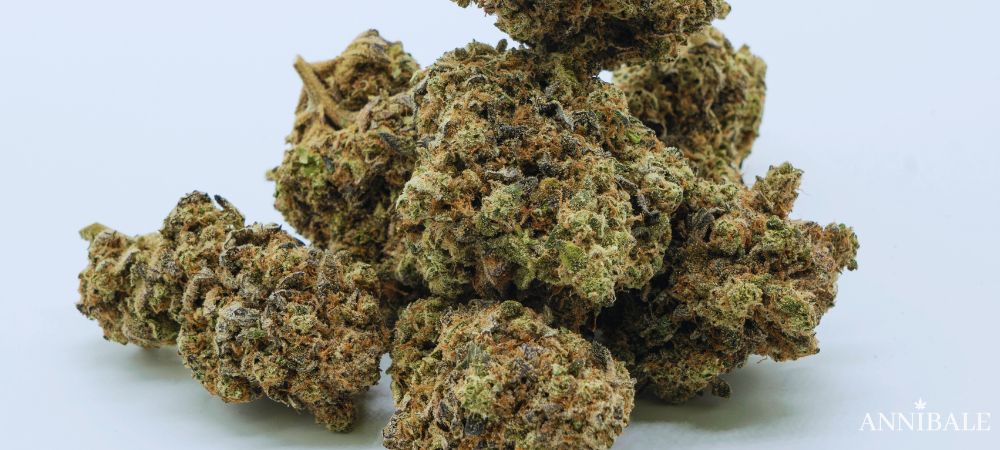
In conclusion: why Jealousy is still “central” in 2026
Jealousy has become a pillar of marijuana cultivation and breeding because it combines three things that rarely coexist so well:
- a robust and credible parental genetic profile (Sherb Bx1 × Gelato #41)
- a modern dessert terpene profile, unique but not cloying or overly sweet
- a balanced high/stone effect that many enjoy: a relaxed head and plenty of other goodies, but a present and responsive body
And let’s face it: in an era where thousands of new names are released every month, Jealousy is one of those few strains we firmly believe will never disappear.
They remain… and they set the standard for future strains!
And this article on the new and modern cannabis strain Jealousy ends here. We hope it was helpful for your next grow. See you in the next update!
Greetings from the Annibale Seedshop Team!
Davide V, CEO, Founder & Geneticist